
Everweave
Endgame StudioRole Playing
2.2190.00 Reviews
- Version
- 0.11.8
- Installs
- 500.00K
- Age Rating
- Teen
Screenshots
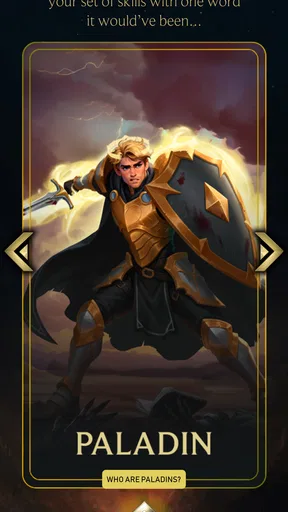
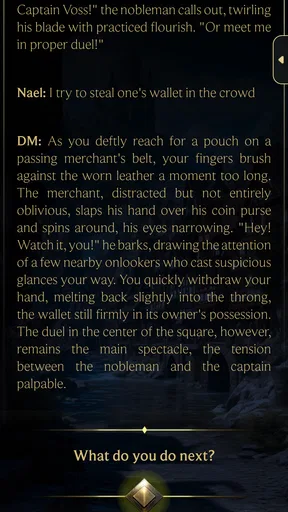
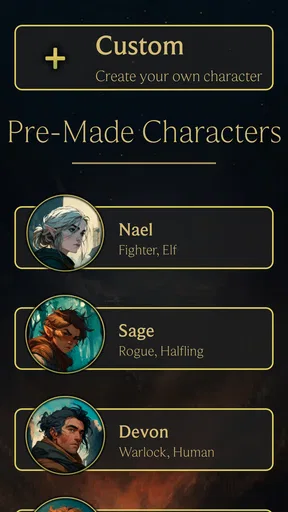
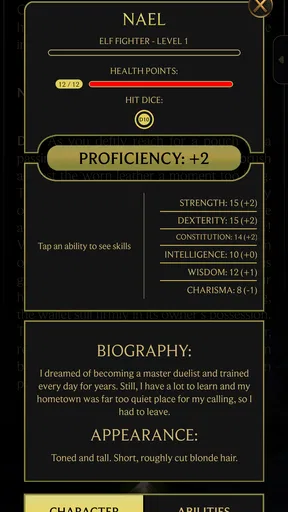
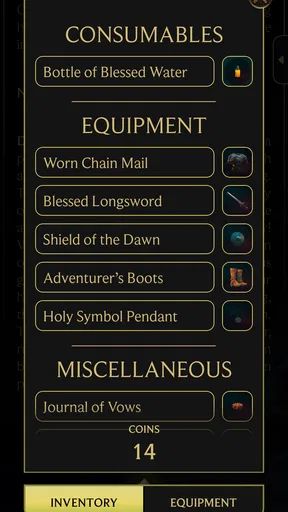
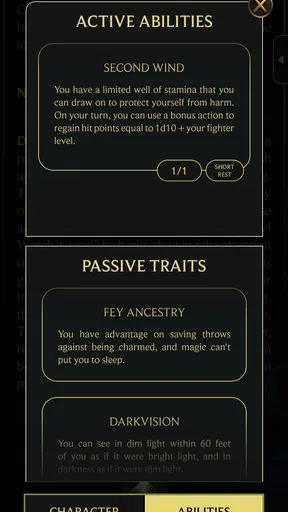
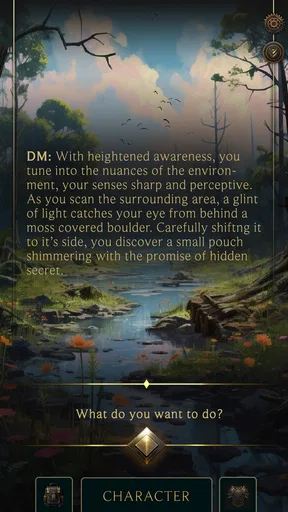
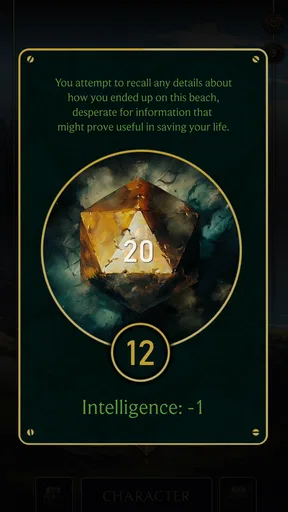
Our Review of Everweave
 Analysis by Appyee
I approached Everweave as a compact way to bring a Dungeons & Dragons-style role-playing session onto a phone, and my first impression was mixed. The idea is immediately appealing: instead of waiting for a full group, a table, books, and a free evening, you can open a mobile game and step into a fantasy adventure wherever you happen to be. In practice, though, the experience depends heavily on how smoothly you get past the first setup steps and how much patience you have for a project that is still developing.
Everweave is a free role-playing game from Endgame Studio, with a Teen content rating and a current version of 0.11.8. It has passed the half-million-install mark, so it is not an obscure experiment that nobody is trying. At the same time, its average rating sits at 2.2 from roughly 1.3 thousand ratings, which is an important warning for anyone expecting the polish of a long-established mobile RPG. I would treat it as an interesting work in progress rather than a finished replacement for every tabletop or digital role-playing alternative.
Getting past the first points of friction
The biggest challenge with a game built around the promise of playing D&D anywhere is that “anywhere” creates very different expectations. A player opening it during a short break wants to understand the next action quickly. Someone preparing for a longer session is more willing to read, test options, and recover from an unclear screen. Everweave makes more sense for the second kind of user, at least initially.
My practical advice is to avoid judging the game during a rushed first launch. Give yourself a quiet few minutes, keep the device charged, and do not begin while switching between several apps. If the opening flow appears slow or confusing, repeatedly tapping buttons is more likely to make the situation harder to understand. I prefer to pause after each screen, identify what has actually changed, and only then continue.
That sounds basic, but it matters in a role-playing game. Early choices can define how comfortable the rest of the session feels. If you rush through a character or adventure prompt because you assume it is harmless, you may later spend time trying to understand a result you did not intend. The useful mindset is to treat the opening as part of the game, not as an obstacle to skip.
Everweave is also easier to assess when you separate two questions: “Can I start playing?” and “Will this become my main role-playing game?” The first is a short-term setup question. The second depends on whether you enjoy the game’s particular interpretation of mobile D&D play, its pace, and its current level of refinement. A disappointing first screen does not automatically mean the whole concept is wrong, but it does tell you that patience is part of the package.
Simple checks before blaming the game
Before reinstalling or assuming a serious fault, I would run through a small routine. First, confirm that the phone is running Android 7.0 or later. That is the stated minimum operating system, and an older device may create problems that are not really caused by the game itself. On a supported phone, close other demanding apps, reopen Everweave, and try the same action once more without rapidly repeating taps.
Next, check whether the issue is consistent. A single stalled screen can be temporary, while the same failure after a clean restart points to something more persistent. I also recommend noting exactly where the problem occurs: during launch, while entering a session, after selecting an option, or when returning to play. That detail is far more useful than simply saying that the game “does not work.”
If the game opens but feels unresponsive, give the device a moment before forcing it closed. Mobile role-playing experiences may need time to prepare a scene or load a transition, and interrupting that process can leave you unsure whether the original action completed. I would rather wait once, restart cleanly if necessary, and then test one action at a time than repeatedly reopen the app and create a confusing sequence of partial attempts.
There is another practical check that is easy to overlook: make sure you are not judging the game from a poor network situation. I will not pretend every delay has the same cause, but a weak or changing connection can make any online-dependent step feel like a broken game. Trying again from a stable connection is a sensible diagnostic step before deciding that the installation itself is faulty.
How I recover a session without losing the thread
Role-playing games are especially vulnerable to interruption because the player is holding several pieces of context in mind at once. If Everweave closes, freezes, or returns you to an earlier point, I suggest writing down the last clear action before restarting. Note the character choice, the location or scene you were viewing, and whether you had just confirmed an option. This small record prevents you from repeating choices blindly.
When returning to a disrupted session, do not immediately perform every action you remember attempting. First establish what the game currently shows. If the last selection is still present, continue from there. If it is missing, make the choice again once and wait for a visible response. This is a safer workflow than assuming that a delay means the tap failed and pressing the same control several times.
I also recommend treating a major transition as a natural stopping point. If you are about to leave the game for a while, finish the current interaction rather than closing it in the middle of a decision. This is not a guarantee against problems, but it gives you a clearer recovery position if the app is interrupted by a call, a low-battery shutdown, or another mobile distraction.
For players who use a phone in short bursts, this habit makes a real difference. A lunch break is a good time to complete a small decision or review the current state. It is a poor time to begin experimenting with every menu while also trying to catch a bus. Everweave’s “play anywhere” appeal works best when you choose sessions that match the attention you actually have available.
Where the mobile format helps, and where it does not
The strongest use case is a solo player who likes fantasy role-playing but cannot regularly coordinate a group. Everweave can fit into spare time in a way that a physical campaign usually cannot. I can imagine opening it during a quiet evening, playing through a focused stretch, and returning later without needing several other people to be available at exactly the same time.
It may also suit someone curious about D&D concepts but not ready to buy books or organize a tabletop group. The mobile format lowers the practical barrier to trying the genre. That does not make it a complete substitute for a human Dungeon Master or a group of friends, but it can serve as a more approachable first step for a player who wants to see whether fantasy role-playing clicks.
On the other hand, people who mainly want fast combat, constant rewards, or a highly polished action RPG may be disappointed. Everweave belongs to the role-playing side of mobile gaming, so its appeal is tied to decisions, atmosphere, and the feeling of guiding an adventure. If your ideal phone game is something you can play with one hand for a minute and understand instantly, this is probably not the best match.
It is also not the right choice for someone who expects a mature, stable product with a consistently high level of polish. The rating of 2.2, based on around 1.3 thousand player ratings and about 190 written reviews, suggests that many users have encountered enough friction to affect their overall opinion. I would not dismiss the game solely because of that figure, but I would take it seriously when setting expectations.
Understanding the free download and spending pressure
Everweave is free to download, which makes trying it relatively low-risk. The important qualification is that it includes in-app purchases ranging from $2.99 to $219.99 per item. That is a very wide range, and it changes how I would recommend approaching the game. I would begin without spending, learn whether the basic experience holds my attention, and only consider a purchase after I understand exactly what it changes for my play style.
For younger players, the Teen rating and the purchase range are good reasons for an adult to discuss spending before handing over the device. A free installation can still lead to meaningful costs if someone buys impulsively. I would use the platform’s purchase controls and avoid treating a payment prompt as part of the normal path through the adventure.
There is also a psychological trade-off here. A role-playing game asks you to become invested in a character and a journey, which can make optional spending feel more urgent than it would in a simple puzzle game. My rule is straightforward: never buy something merely to solve confusion about how the game works. First determine whether the problem is a setup issue, a temporary interruption, or simply a design choice you do not enjoy.
That approach is particularly important with an early-stage version. If you already know that you dislike games with purchase prompts, Everweave may not be worth the friction even though the initial download is free. If you are comfortable exploring first and spending only when the value is clear, the free entry point gives you room to make that decision calmly.
When the app is not actually the cause
Not every unpleasant session points to a defect in Everweave. A phone that is nearly full, running an older system, or struggling with many background tasks can make a supported game feel unreliable. Before deciding that the game is broken, I would restart the device, close unused apps, and confirm that the operating system meets the minimum requirement. These are ordinary steps, but they eliminate a surprising number of misleading symptoms.
Connection problems deserve the same caution. If one session fails while another works normally, the difference may be the network rather than the game. Try again from a steadier connection and observe whether the same screen fails in the same way. If the issue disappears, the useful conclusion is not necessarily that Everweave is perfect; it is that the original failure had more than one possible cause.
Storage and heat can also affect patience. A phone that is busy, hot, or low on space may respond slowly, encouraging you to tap repeatedly. That behavior can make a role-playing interface seem more confusing than it really is. I find it better to stop, let the phone settle, and resume with a single deliberate input.
Finally, consider whether the real mismatch is expectation. The store summary presents the game as a way to play D&D at any time, but that does not mean it will reproduce every part of sitting around a table with friends. If what you miss is conversation, improvisation, and the unpredictable humor of a human group, no mobile game can fully replace that. Everweave is more useful when treated as its own portable role-playing experience rather than a perfect tabletop replica.
Who should try it, and who should skip it
I would recommend giving Everweave a chance if you enjoy fantasy role-playing, want a solo-friendly option, and are willing to evaluate a developing game on its own terms. It is especially appealing for players who have limited time but still want an adventure with more thought behind it than a quick arcade round. The free price makes an initial test reasonable, provided you keep purchases under control.
I would be more cautious if you are buying a phone game for a child, dislike in-app purchases, or need a flawless experience from the first launch. The Teen rating matters, and the purchase range is not something I would ignore. I would also skip it if your device is below Android 7.0 or already struggles with other games; even a well-optimized title cannot turn an unsupported phone into a reliable gaming device.
Players who want a traditional tabletop campaign should choose a real group or a dedicated virtual tabletop instead. Those options are better for shared storytelling and direct interaction. Players who want a large, action-heavy mobile RPG may find a more established alternative more satisfying. Everweave’s niche is narrower: portable D&D-inspired role-playing for someone prepared to work through some rough edges.
My practical verdict after weighing the trade-offs
Everweave has a worthwhile idea, but the current experience asks the player to do more troubleshooting and expectation management than I would prefer. I like the convenience of carrying a role-playing adventure on a phone, and I can see the appeal for solo players who cannot arrange regular tabletop sessions. The concept is strongest when you approach it patiently, play in focused stretches, and judge the game by whether its style of adventure suits you.
My recommendation is therefore conditional rather than enthusiastic. Try the free version, use a supported device, and spend time learning the opening flow before making a judgment. Keep a note of your last clear action if a session is interrupted, avoid repeated taps during delays, and do not spend money until you understand the value of the purchase. Those habits will not fix every problem, but they make the experience easier to evaluate fairly.
Endgame Studio has room to improve the roughness that is reflected in the low average rating. Until that changes, Everweave is best viewed as a promising portable role-playing experiment, not a guaranteed replacement for a polished RPG or a live D&D group. If you want convenience and are comfortable with some friction, it is worth a careful trial; if you want instant clarity and dependable polish, choose another option.
Verdict
Strengths of Everweave
- Simple interface makes browsing and organizing content approachable.
- Supports creative exploration without requiring advanced technical skills.
- Useful for keeping related ideas, media, or notes connected in one place.
- Flexible enough to suit personal projects, research, and everyday planning.
- Can help turn scattered inspiration into a more structured workflow.
Limitations of Everweave
- Some features may take time to discover without clear onboarding guidance.
- Large or complex collections could become difficult to navigate over time.
- The experience may depend heavily on a stable internet connection.
- Advanced users may find customization and organization options limited.
- Exporting or moving content elsewhere may not be as flexible as expected.
Similar Picks in This Category
View All
Hair Dye
CrazyLabs LTD4.4

Monster High™ Beauty Salon
CrazyLabs LTD4.5

Bus Simulator - Bus Games 3D
Jima Apps4.4

Flight Pilot: 3D Simulator
Wildlife Studios4.1


Super Stylist Fashion Makeover
CrazyLabs LTD4.4
Frequently Asked Questions
What is Everweave and what can I use it for?
Everweave is a creative productivity application designed to help users collect, organize, and connect ideas, notes, references, and other digital content in one place. It can be useful for planning projects, developing creative concepts, researching topics, or keeping personal information structured. Before downloading, check the current store description because available tools and supported content may vary between Android, iOS, and different app versions.
Is Everweave free to download and use?
Everweave may be available as a free download, but some features can require a subscription, one-time purchase, or in-app payment. Depending on the version, limitations may apply to storage, advanced organization tools, exports, collaboration, or synchronization. We recommend reviewing the pricing section in the Google Play Store or App Store before creating an account, especially if a free trial automatically changes into a paid subscription.
Does Everweave synchronize my information across devices?
Everweave’s usefulness depends heavily on how it handles synchronization and backups. If cloud sync is supported, you may be able to access your projects and saved content from multiple devices after signing in to the same account. However, synchronization may require an internet connection or a paid plan. Confirm the current privacy policy, backup options, and export features before storing important or irreplaceable information.
Is Everweave easy to use for beginners?
Everweave is intended to support flexible organization and creative workflows, but applications built around connected ideas or visual structures can take a little time to understand. New users should expect to explore the navigation, learn how content is added and linked, and review any templates or tutorials provided. Start with a small project first so you can evaluate whether its workflow suits your habits before moving larger collections into the app.
What privacy and account permissions should I consider before installing Everweave?
Before installing Everweave, review the permissions requested by the app and the way it handles account information, files, notes, analytics, and any content uploaded to its services. If the app supports cloud storage or sharing, understand whether your data is encrypted, how long it is retained, and whether it can be exported or deleted. Only grant access that is necessary, and use a strong, unique password for your account.
Play our best games!


